Open Burning

More to come ….
251201 – The RDCO Bylaws for burning are the Fire Prevention and Regulations | Bylaw No. 1066 (consolidated) and the Smoke Control Regulatory | Bylaw No. 773 (consolidated). These bylaws are dated and designed to address smoke, not wildfire fuel mitigation. Fuel overloading in our forests was not recognized as a significant threat at that time of writing. Issues, like life, change regularly and our ability to keep up to these changes is challenging as people just do not like change. Today after two devastating fires within EA West, it is time to change the way we think about and achieve fuel mitigation to a level where we can protect our homes and still live in and next to the forest. It must be about fuel mitigation not smoke for a period of time to allow for catch up in the forest.
As we move forward, we must recognize that prioritizing fuel mitigation is not just a matter of regulatory compliance, but a necessary adaptation to the realities of our changing environment and the increasing threat of wildfires. Proactive strategies, informed by the lessons of recent fire seasons, require collective will and a shift in perspective—accepting some temporary inconvenience from smoke to safeguard our communities and the forests that surround us. Only then can we hope to strike a sustainable balance between human habitation and wildfire resilience.
Wildfires do not care about venting regulations, and smoke does not care about tourist season.
6.4 Open Burning ELECTORAL AREA SERVICES COMMITTEE MEETING – June 05, 2025. Item 6.4 will give you the video record of the discussion, documentation, and conclusion reached at the time of the meeting. The expectorations of the EA Directors and the reports delivered could not be further apart. The intent of bringing this forward was to have Staff present on how to achieve a more robust fuel mitigation with less emphasis on smoke. Smoke is a byproduct of open burning more pronounced in the earlier stages until the fire reaches a temperature that consumes the smoke as it is a combustible not at temperature for combustion. When there is an inversion in the valley, it is like placing a lid on the whole valley trapping the smoke. At this point it matters not whether you light the fire in Penticton or Vernon; the smoke is trapped and will move to the valleys lowest vent point, which is Highway 33 in Kelowna. That is why Kelowna has an Air Quality Committee and office while RDNO and RDOS do not.
Smoke is predominantly a Kelowna issue, but they cannot have it both ways. They restrict mitigation fires in the winter and springtime in the Electoral Areas because of smoke and then bitch in the summer about smoke and the negative effect on the tourist season; while our homes burn.
General Information
251125 – Open burning or the use of Category 2 & 3 fires is critical to any kind of fuel mitigation on rural properties. If you have as a lot as small as 1/3 – 1/2 acre with a moderate to high tree canopy, you will have significant annual yard waste. I have several weeping willow trees that generate 2 or 3 full p/u loads to the transfer site just on their own. This does not include the yard waste from the other trees and vegetation on my steep hillside property.
Fuel mitigation through open burning is not optional-it’s survival math in wildfire country like BC. Venting index feels noble, protecting lungs short-term, but it is shortsighted bureaucracy that ignores how unburned debris turns into catastrophic wildfire. Delaying the burning of piles ‘til a perfect fifty-five-plus day? Laughable-when half the season’s already smoky, permits pile up; burns get rushed, or worse, skipped altogether while tourist season crashes. We have seen it: White Rock Lake Fire 2021 that exploded because fuel was not cleared fast enough due to air quality holds and then it happened again with the McDougall Creek Fire in 23. And who pays? Not the rule-makers in Victoria and Kelowna-the folks downwind from a crown fire that could have been prevented. Bottom line, ease up on venting cutoffs during high-risk windows; let locals burn responsibly with buffer zones and monitoring. Saves forests, homes, and yes, lives-not to mention cutting future smoke way more than babysitting daily indices. Makes sense?
Pitting venting against fuel mitigation in BC’s open burning scene-that is a classic tension, especially out in the wildfire-prone Interior. Here is a quick argument for why strict venting rules can kind of undermine fuel mitigation efforts: On one side, fuel mitigations’ all about proactive fire safety: clearing out dead brush, slash piles, and overgrown forests to starve potential wildfires before they blow up. It’s urgent as hell with climate change cranking up dry spells, and open burning is often the cheapest, most effective way for landowners or crews to torch those piles without waiting for pricey chipping or hauling. Skip it, and you’re just begging for megafires that torch whole communities. But venting index slams the brakes: if it’s below fifty-five on the forecast, no dice-you can’t burn, even if you’ve got a mountain of dry debris ready to go. Proponents say it’s for air quality, sure, keeping smoke from choking valleys and hitting folks with asthma. But critics, like some ranchers and forestry folks, argue it backfires big time. You end up with unburned piles that become tinderboxes, delaying mitigation until good venting days that might never come in a smoky summer. Result? More fuel on the ground, higher wildfire risk, and ironically, way worse smoke when uncontrolled blazes erupt. Plus, it hits small operators hardest-they can’t afford alternatives, so mitigation stalls, and everyone’s exposed come fire season. It’s a tough balance: breathe easy today or burn smart for tomorrow? What side you leaning?
Years ago, when I was the fire chief in North Westside, I regularly inspected and wrote permits to residents with woody material in inaccessible or difficult terrain for physical removal. As the fire chief, at the time I had the authority to issue permits to properties that did not meet some of the requirements under the bylaw such as lot size and purpose of the fire. Today’s fire authorities need to focus on fuel mitigation, not air quality. In the Okanagan Valley of the three Regional Districts, only one (RDCO) has an Air Quality Committee, but all three occupy the same air shed but operate under different burning rules and regulations. Even within the different RD’s rules and regs. change from jurisdiction to jurisdiction for instance in Kelowna campfires are illegal year-round. We need to get serious about fuel reduction and that means reinstituting open burning to our arsenal of mitigation tools and burn on good burning days, we can go months without reaching the 55 venting indices while the fuel piles up putting both rural and urban communities at unacceptable risk to wildfire.
Possible Bylaw Resolution for Structural Sprinklers:
Whereas, the North Westside Fire/Protection District is dedicated to providing the highest level of protection to residential structures and out-buildings in the interface from the threat of wildfire and ember showers;
Be it resolved, that the Board of the North Westside Fire/Protection District hereby adopts a Structural Sprinkler Bylaw that requires all residential structures and out-buildings in the interface to be equipped with a rainbird style sprinkler connected to a galvanized pipe with an overhang hose bib for fire department connection;
And further, that this bylaw shall be enforced immediately and shall apply to all new construction and existing structures within the North Westside Fire/Protection District;
And finally, that the North Westside Fire/Protection District shall educate the community on the importance of this bylaw and provide resources to assist property owners in the installation of the required sprinkler systems.
This motion is moved and seconded, in accordance with Roberts Rules, for the purpose of ensuring the safety and protection of all residents in the North Westside Fire/Protection District.
This bylaw would require the NWFR to develop a water management plan to ensure proper water management for sprinkler operation and protection of the water systems themselves.
Here is more information on FireSmart and Wildfire:
BC OPEN BURNING SMOKE CONTROL REGULATION
Summary 2023 McDougall Creek Wildfire
Wildfire Maps
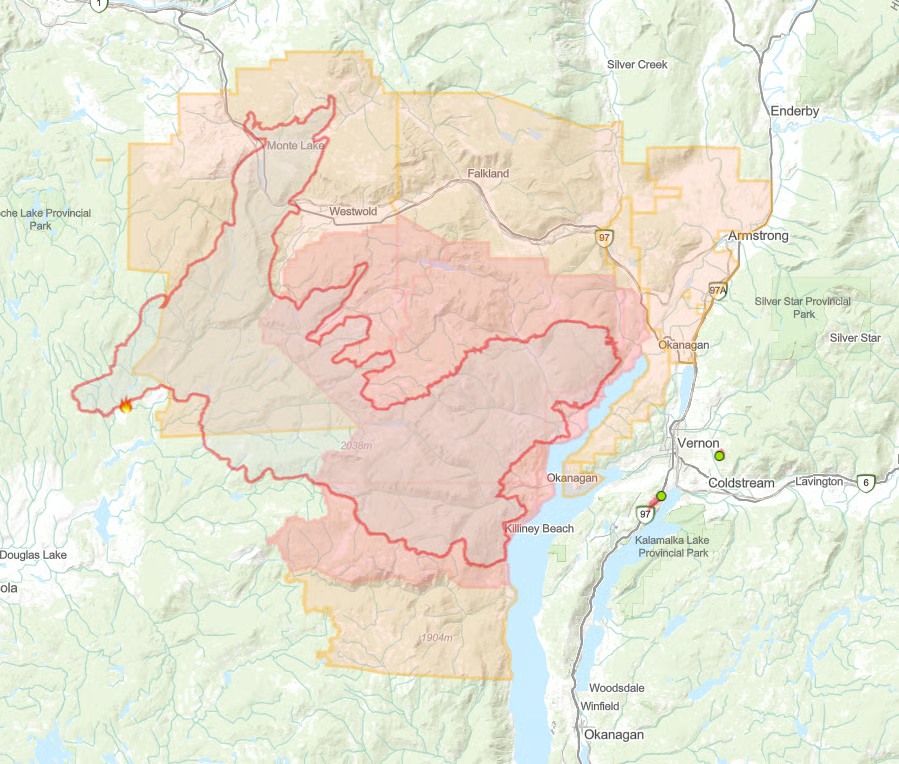
White Rock Creek Wildfire 2021
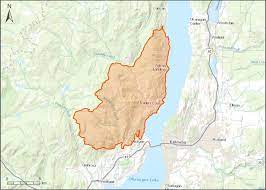
McDougall Creek Fire 2023


